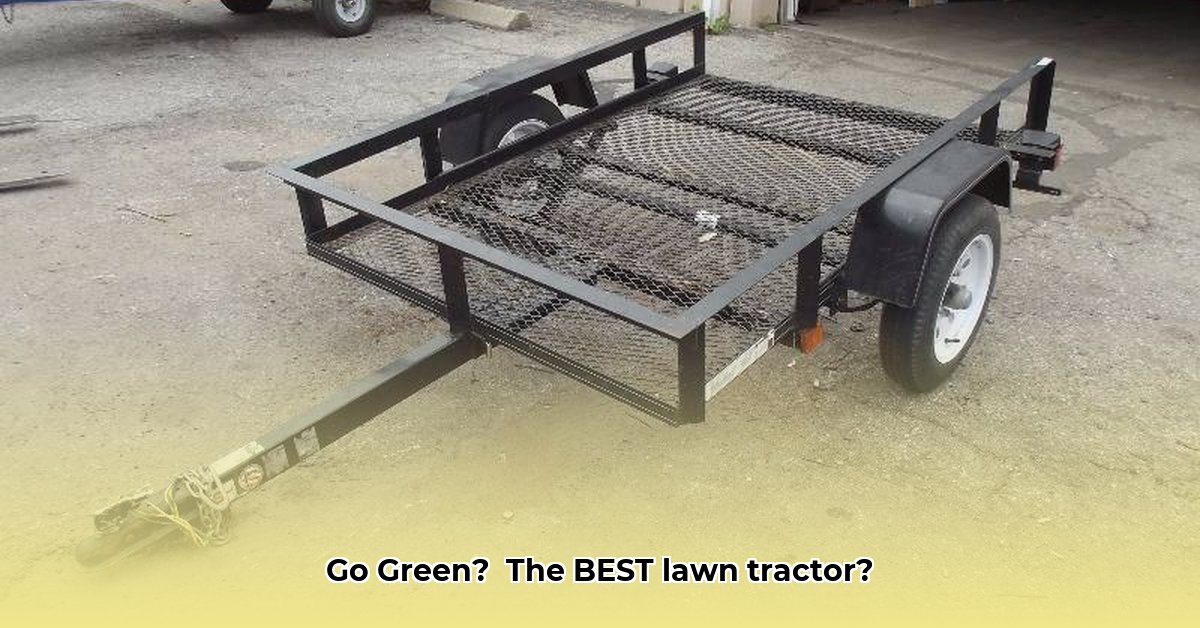
Going green in landscaping isn't just a trend—it's a smart, sustainable approach. While a lawn mower trailer might seem like a small detail, it can significantly impact your environmental footprint and efficiency. For more information on choosing the right lawn tractor, check out this helpful resource: lawn tractor guide. This guide explains how a trailer contributes to a more sustainable landscaping strategy, whether you're a homeowner, small-scale farmer, or professional landscaper. We'll cover everything from choosing the right trailer to implementing broader sustainable landscaping practices. This isn't about quick fixes; it’s about building a long-term strategy for a greener lawn.
Residential Landscaping: Smart Trailer Strategies
Moving yard waste, mulch, and equipment is labor-intensive. A lawn mower trailer dramatically simplifies this, saving time and effort. But is the added convenience environmentally sound? For homeowners, the most immediate benefit is often increased efficiency, less physical strain, and reduced time spent. However, long-term sustainability requires a holistic approach.
Switching to an electric lawn mower drastically reduces emissions, and a trailer becomes the perfect tool for transporting your eco-friendly equipment and yard debris efficiently. Furthermore, composting grass clippings instead of bagging them reduces landfill waste and creates valuable fertilizer—the trailer becomes an essential tool in this process. Isn’t it time to upgrade your landscaping game with eco-friendly choices?
Small-Scale Farming: Optimizing Trailer Use
Farmers have unique logistical needs: transporting supplies, moving harvested crops, and managing waste. A durable trailer is vital, but sustainability needs to be a top priority. Consider trailers made from recycled materials—cost-effective and environmentally friendly. Exploring building or modifying your own trailer further allows for customization to meet specific needs and potentially reduces the environmental cost. What materials offer the best balance of strength and sustainability? Steel, aluminum, and even repurposed wood can all offer substantial benefits.
Choosing the Right Trailer: Sustainability Checklist
Selecting the right trailer is crucial for both your budget and the environment. First, assess your needs. What is the weight of your typical load? Do you require specific features like high sides or ramps? Now, let's discuss the material. Prioritize trailers constructed from recycled aluminum or steel. These materials have a smaller carbon footprint and are more easily recycled. But remember that sustainability also includes durability. Investing in a high-quality trailer that lasts will reduce the long-term environmental impact.
Trailer Feature Considerations:
| Feature | Considerations | Sustainable Choices |
|---|---|---|
| Weight Capacity | Ensure sufficient capacity for your mower and typical loads. | Consider future needs; a slightly larger capacity reduces the need for replacement. |
| Material Type | Steel, aluminum, or composite materials; check recyclability. | Prioritize recycled aluminum or steel for a lower environmental footprint. |
| Features | Sideboards, ramps, tie-down points – choose only what's essential. | Minimize unnecessary features to reduce material use. |
| Manufacturer | Research their environmental practices and commitment to sustainability. | Choose manufacturers with transparent, eco-friendly policies. |
Sustainable Landscaping Beyond the Trailer: The Broader Strategy
Remember: a trailer is merely one component of a comprehensive sustainable landscaping plan. Consider reducing lawn size; less lawn means less mowing, reducing fuel consumption and emissions. Choosing drought-resistant grass varieties and implementing smart irrigation schedules further minimizes your environmental impact. Responsible lawn care requires a holistic approach, prioritizing effective land management techniques.
The Environmental Impact of Trailer Manufacturing and Disposal: A Transparent Look
Manufacturing and disposing of trailers have substantial environmental consequences. The raw materials and manufacturing process generate emissions, while improper disposal leads to landfill waste. To mitigate this, support companies that utilize recycled materials and follow responsible manufacturing practices. Advocate for stronger regulations and better recycling programs, promoting a circular economy model. This approach ensures durable, long-lasting trailers made from sustainable materials.
Key Takeaways:
- Switching to electric mowers drastically reduces greenhouse gas emissions.
- Sustainable land management techniques (reducing lawn size, xeriscaping) lessen mowing needs and reduce reliance on equipment.
- Prioritize trailers made from recycled materials for minimal environmental impact.
- Efficient route planning and load optimization enhance fuel efficiency.
- A holistic approach combining equipment choices and responsible land management minimizes your environmental footprint.